AC Installation in Manor TX: Energy-Efficient Options for Lower Bills
Manor summers can feel relentless, and the wrong air conditioner will make your electric bill spike while still leaving hot rooms and uneven humidity. Choosing the right AC installation in Manor TX is more than picking the fanciest model. It is about matching load, ductwork, thermostat control, and maintenance expectations to the shape and budget of your home. I have installed and overseen systems in dozens of central Texas houses and small businesses, and I still see the same mistakes: oversized units, duct leakage, and sales pitches that promise unrealistic savings. This article walks through practical, energy-focused choices that actually lower monthly costs, with real trade-offs and specific numbers you can use in conversations with installers and lenders.
Why efficiency matters here
Manor sits inside the Austin heat envelope. Summers run long, and cooling presents the majority of annual energy consumption for most households. Efficiency matters because even a few percentage points of improvement in seasonal energy efficiency ratio, or SEER, translate to meaningful savings over 10 to 15 years. If your current system has a SEER around 10 to 12, upgrading to a 16 SEER unit can reduce cooling energy by roughly 25 to 30 percent under typical operating patterns. That percentage varies with how often the AC runs, thermostat setpoint, and insulation quality, but the arithmetic is straightforward. A homeowner paying $200 per month during summer could see $50 to $60 monthly savings after an efficient replacement.
Sizing the system correctly
A too-large system cools rooms quickly but cycles on and off, a behavior called short-cycling. Short-cycling wastes energy, increases humidity, and stresses components prematurely. A too-small system runs continuously and wears out faster. I rely on Manual J load calculations for every installation. Manual J factors in square footage, orientation, insulation, window sizes, occupancy, and local weather data. For an average 2,000 square foot single-story home in Manor with moderate attic insulation, a properly sized system often lands between 2.5 and 3.5 tons. When contractors give quotes based solely on home square footage without presenting a load calculation, ask for the numbers and the assumptions behind them.
SEER, EER, and sensible cooling
Manufacturers advertise SEER aggressively, but SEER is a seasonal metric that averages performance across a range of operating conditions. EER, or energy efficiency ratio, measures performance at a specific high-load condition and is useful if you run the AC at very low setpoints. https://www.google.com/maps?cid=12559407294595612332 For Manor, where peak temperatures regularly exceed 95 F, looking at both SEER and EER makes sense. If you want lower peak demand charges and steadier indoor humidity, pick a unit with a higher EER along with a high SEER rating. Variable-speed compressors give you finer control across conditions; on a hot afternoon the compressor can ramp up, and during the milder evening it can run at a fraction of capacity, keeping humidity down and running costs lower.
Ductwork is commonly the hidden problem
Even the best outdoor unit cannot perform if the ducts leak or are poorly insulated. I’ve measured 20 to 40 percent leakage in older systems in this region. That loss forces the blower to move more air and increases runtime. Before writing a purchase order, inspect the accessible ducts and consider a basic duct leakage test if ducts run through unconditioned attic space. Sealing with mastic or foil tape and adding R-8 to R-11 insulation in the attic are inexpensive moves that pay back in the first few cooling seasons. Small changes at duct boots and returns reduce the workload on the system and improve comfort more than a half-ton upgrade would.
Thermostat strategies and controls
Programmable thermostats used to be a novelty. Now smart thermostats offer adaptive learning, remote control, and energy reporting. Don’t buy a thermostat for its learning tricks alone; buy it for control. A smart thermostat that can manage multi-stage systems and variable-speed blowers will extract the most efficiency from the equipment. Avoid frequent, large setpoint swings. Each time you lower the thermostat dramatically, the compressor may run at high capacity to catch up, which is less efficient than steady, moderate cooling. If you are gone during workdays, setting a 4 to 6 degree setback for that period produces big savings without uncomfortable rebounds when you return.
Equipment types and where they make sense
Single-stage units are the lowest cost. They operate at full capacity when on. For small homes or tight budgets they can be adequate, but expect less precise temperature control and more humidity swings. Two-stage units offer a high and low setting that reduces short-cycling and improves dehumidification. Variable-speed units provide the best comfort and efficiency but cost more up front. Consider these options relative to your priorities.
For an older, poorly insulated house with significant duct leakage, spending extra on a variable-speed unit will deliver benefits only if you also invest in duct sealing and insulation. Conversely, for a well-sealed newer build, a variable-speed system will harvest those efficiency gains and reduce bills noticeably.
Heat pumps are viable in central Texas
Modern heat pumps work efficiently in climates like Manor. Replacing a traditional air conditioner with a heat pump gives year-round benefits, because the same equipment provides heating in the shoulder seasons and winter. Look for models with higher HSPF ratings for heating efficiency. Heat pumps paired with a backup gas furnace are common in split systems where owners want the redundancy of gas heat in the coldest days.
Refrigerants and future-proofing

Regulatory changes are phasing out older refrigerants. R-22, once common, is now expensive to service and increasingly unavailable. Choose systems that use R-410A or newer low-global-warming-potential refrigerants. That choice reduces service headaches over a 15-year ownership horizon. If you own a home with an R-22 system, evaluate the long-term cost of continued repairs against replacement, because a compressor failure may force an expensive and hard-to-find refrigerant top-up.
Installation quality matters more than model name
You will pay for a brand, but you will live with the installer. Duct matching, refrigerant charge, evacuation, and proper startup tune everything to performance. I have seen brand-new units performing 20 percent below spec because the charge was wrong or the airflow was limited. Ask the contractor if they perform measured charge checks, verify airflow in cubic feet per minute if necessary, and whether they run the installed system through a full startup checklist that includes verifying static pressure and thermostat calibration. Companies that provide written startup reports and a clear warranty on labor are worth a slightly higher price.
A brief checklist to bring to estimates
- Request a Manual J load calculation and ask the contractor to explain the results.
- Ask for details on duct sealing and insulation recommendations, with costs.
- Confirm whether the proposed thermostat can control the specific equipment stages.
- Request a written startup and commissioning report plus labor warranty details.
Rebates, tax incentives, and financing
There are often local utility rebates and federal incentives that improve the return on efficient installations. Austin Energy and other regional utilities periodically offer rebates for high-efficiency units, and there may be federal tax credits that apply to certain heat pump models or renewables integration. Check current programs at the time of purchase because they change. I once helped a neighbor combine a $500 utility rebate with a zero-interest financing offer from a dealer, making an otherwise marginal upgrade into a clear payback within four years.
Real numbers and a realistic payback
Here is an example scenario. A homeowner with a 12 SEER, 3.5 ton system replacing it with a 16 SEER unit might spend $6,000 to $9,000 installed depending on ductwork and attic access. If their summer cooling bill averages $1,200 over six months, and the upgrade yields a 25 percent reduction, savings would be $300 per summer. Simple payback in that narrow metric is 20 to 30 years, which sounds long. But this calculation ignores benefits that matter: better humidity control, fewer repairs, higher resale value, and lower peak demand charges. If the new unit reduces repair cost risks and prevents a mid-summer failure, the intangible value alone can justify the purchase. If you pair the upgrade with duct sealing and insulation that cuts cooling loads another 10 to 15 percent, the effective payback falls much faster.
Emergency repair realities
When an AC failure occurs, homeowners often search for emergency AC repair near me and call the first available tech. Quick response matters, but so does triage. Many "emergencies" stem from simple faults like a tripped breaker, dirty filters, or a failed capacitor. A reputable local company, such as ATX Heating & Air Conditioning LLC, will offer same-day diagnosis and explain fixed-cost options for common failures like capacitor replacement, contactor swaps, and refrigerant leaks. For true compressor or coil failures, replacement may be the most economical route, especially if the system is older than 10 years.
Choosing a local contractor
Local installers know Manor's building stock and common retrofit issues. When vetting contractors, look for clear communication, transparent pricing, and references. Ask for recent local installs you can visit, inquire about permit handling, and verify licensure and insurance. A long warranty on labor and a willingness to return for follow-up adjustments are signs of professionalism. If a contractor pressures you with a limited-time discount to sign immediately, step back and get a second opinion.
Maintenance is non-negotiable
Routine maintenance extends equipment life and preserves efficiency. Change filters monthly during heavy use, keep the outdoor unit clear of debris, and schedule a professional tune-up annually, ideally in the spring before peak cooling season. A basic tune-up with coil cleaning, refrigerant check, and electrical inspection typically costs a few hundred dollars and often prevents five to ten times that amount in emergency repairs.
When full replacement makes sense
Replace the system if multiple components fail, the compressor shows signs of imminent failure, or you face repeated leak repairs on an old R-22 system. Also consider replacement when the system regularly runs more than 10 to 12 cooling seasons, humidity is chronically high, and comfort remains poor despite repairs. Replacement gives you an opportunity to right-size ducts, add zoning if necessary, and integrate smart controls.
Final thoughts on trade-offs
Higher-efficiency systems cost more up front, but they reduce operational costs and improve comfort. The best financial and comfort outcome usually comes from combining an appropriately sized high-efficiency unit, sealed and insulated ducts, and smart thermostat control. If budget is tight, prioritize duct sealing and a mid-efficiency unit rather than spending the same money on the highest SEER model installed into leaky ducts. When you call for AC repair in Manor TX or plan an Ac installation in Manor TX, keep those priorities in mind, ask for measurement-based work, and choose contractors who will stand behind their installation.
If you want a site visit, detailed load calculation, or a quote that separates equipment, labor, and ductwork costs, ATX Heating & Air Conditioning LLC and other reputable local firms can provide itemized proposals. A clear, measured approach prevents buyer's remorse and delivers the comfort and savings that make a summer in Manor far more tolerable.
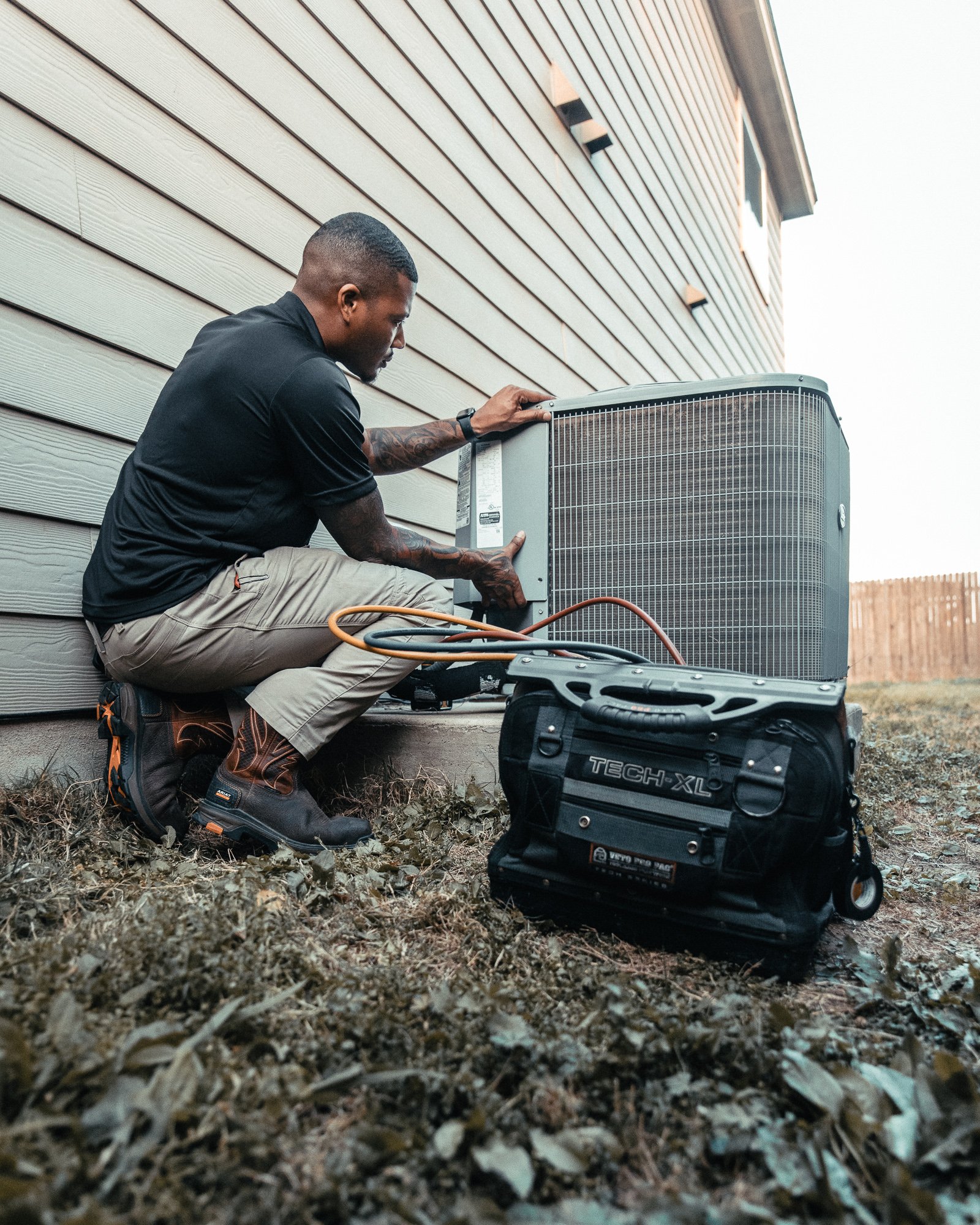
ATX Heating & Air Conditioning
13809 Theodore Roosevelt St., Manor, TX - 78653
(737) 406-8083
[email protected]
Website: https://atxheatingandac.com/